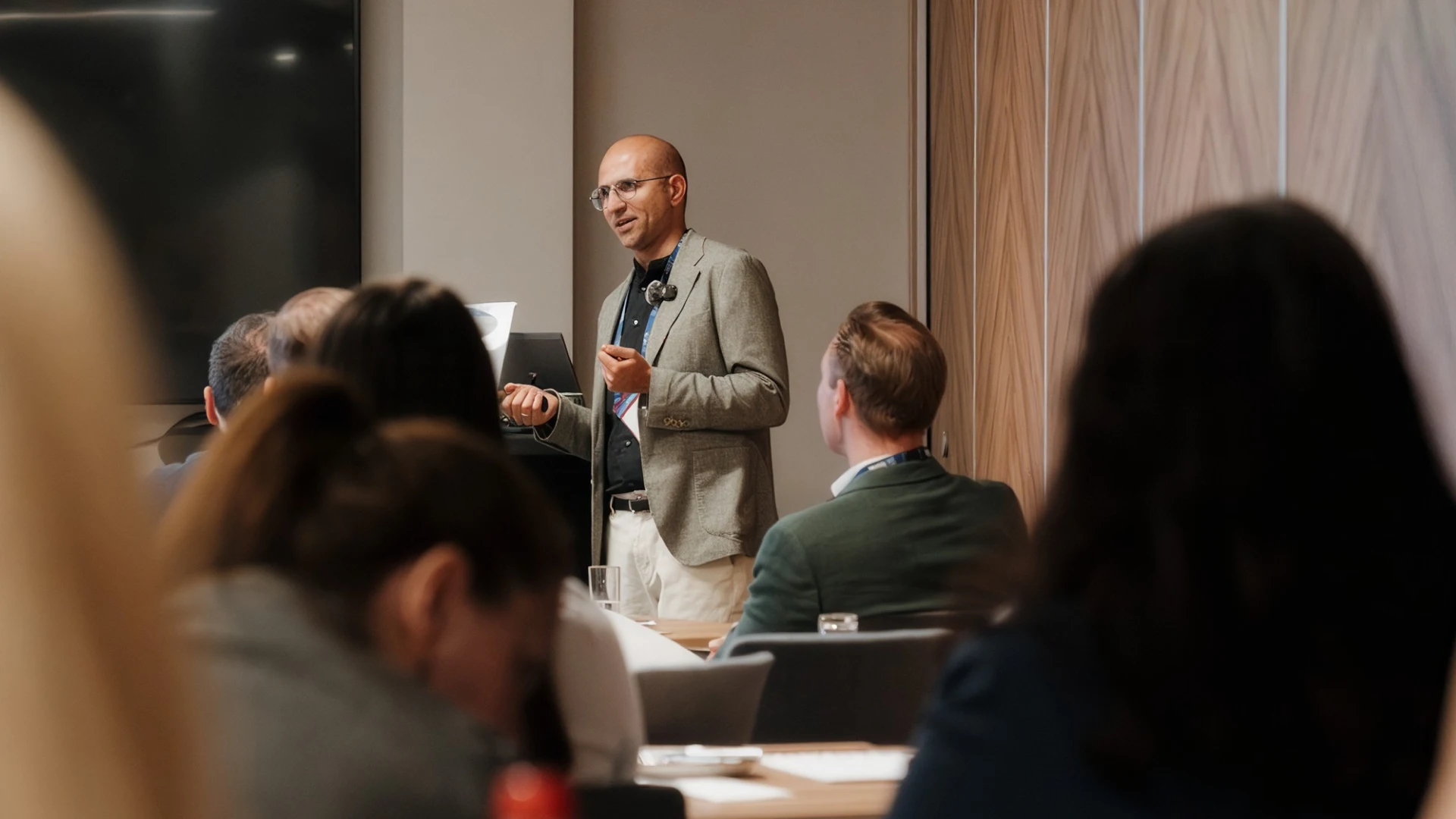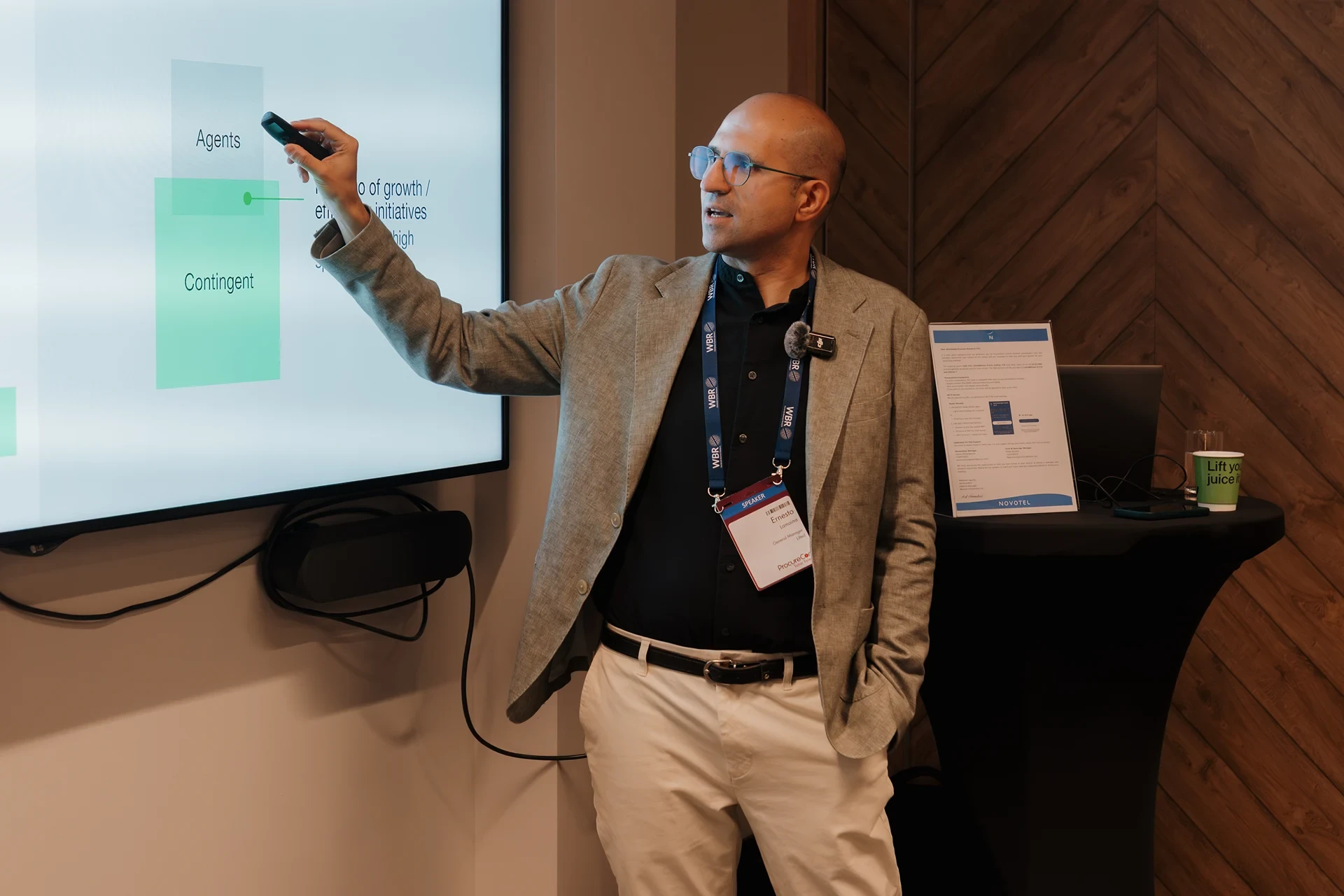
"Running a contingent workforce program is a very hard job. When it feels stuck, that is usually the structure, not the team."
Let me set the context, because I talk to these contingent workforce program leaders day in and day out, and I think the industry blames them too quickly.
Running one of these programs is a very hard job. When a program feels behind, or slow, or set in its ways, the first instinct is to blame the people running it.
Let me walk through why that is almost always the wrong read.
First, the stakeholders
A program leader is serving many customers at once, and each wants different things. Hiring managers want talent now. Procurement and senior leaders want that same talent, but at a certain cost.
And the talent itself has expectations too, about the kind of work, the pay, and the experience. Sitting around all of them is a long list of other people in the company with a stake in the outcome.
So, before you fill a single role, you are already managing competing demands, and you cannot fully satisfy them all at once.
Second, the regulation
Contingent is really dependent on the rules of the countries where you engage people. And those rules are different by country, by state, sometimes by city, and they change. So there is a fragmentation that is intrinsic to this business.
It is not a flaw in your program. It is the nature of the work we are in. A program operating across many countries is, by definition, operating under many sets of rules that do not align.
Third, the vendors
Many of the vendors inside a program never kept pace with technology. And here is the hard part. Some of those same vendors remain major providers in the program. So picture it.
One of your biggest suppliers is still working your reqs by hand, opening an ATS, searching a database one name at a time, and you are being asked to make the whole program faster and more tech-forward with that supplier sitting right in the middle of it.
That is a real puzzle. How can I be tech-forward as a company when some of the vendors I depend on are not?
To be fair, these programs are not standing still.
There are areas where they have applied technology very well, improving efficiency, lifting fill ratios, and bringing costs down. And there are other areas that stay hard no matter what, because of the nature of the business.
Both of those are true at the same time, in the same program.
It is not a rip and replace
So here is what I do not believe. I do not believe you fix this by tearing the whole thing down.
The change is coming. The way MSPs work will evolve. The way VMS platforms will evolve. Companies will need ways to engage independent contractors, agents of record, and employers of record inside their programs, because the leaders I talk to keep asking for exactly that.
But it happens by evolution. You add the components of technology a program needs, as it needs them. You do not rip and replace something people spent ten years building because a pitch told you to.
The programs that improve are the ones that evolve in place, not the ones that bet everything on a transformation project.
If this resonates, subscribe. I write about what enterprise contingent programs are actually navigating, and how to move them forward without blowing them up.
Author

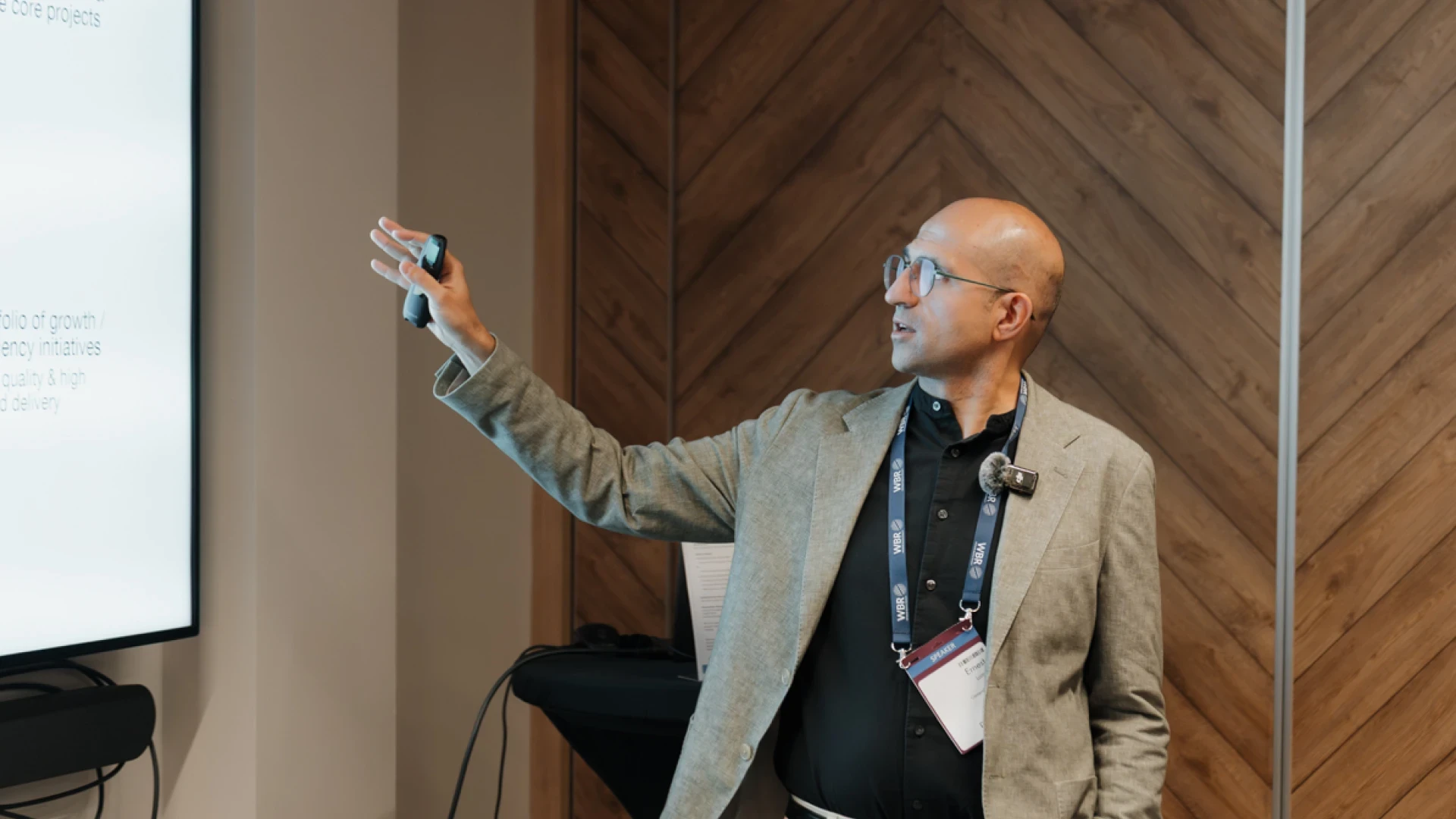
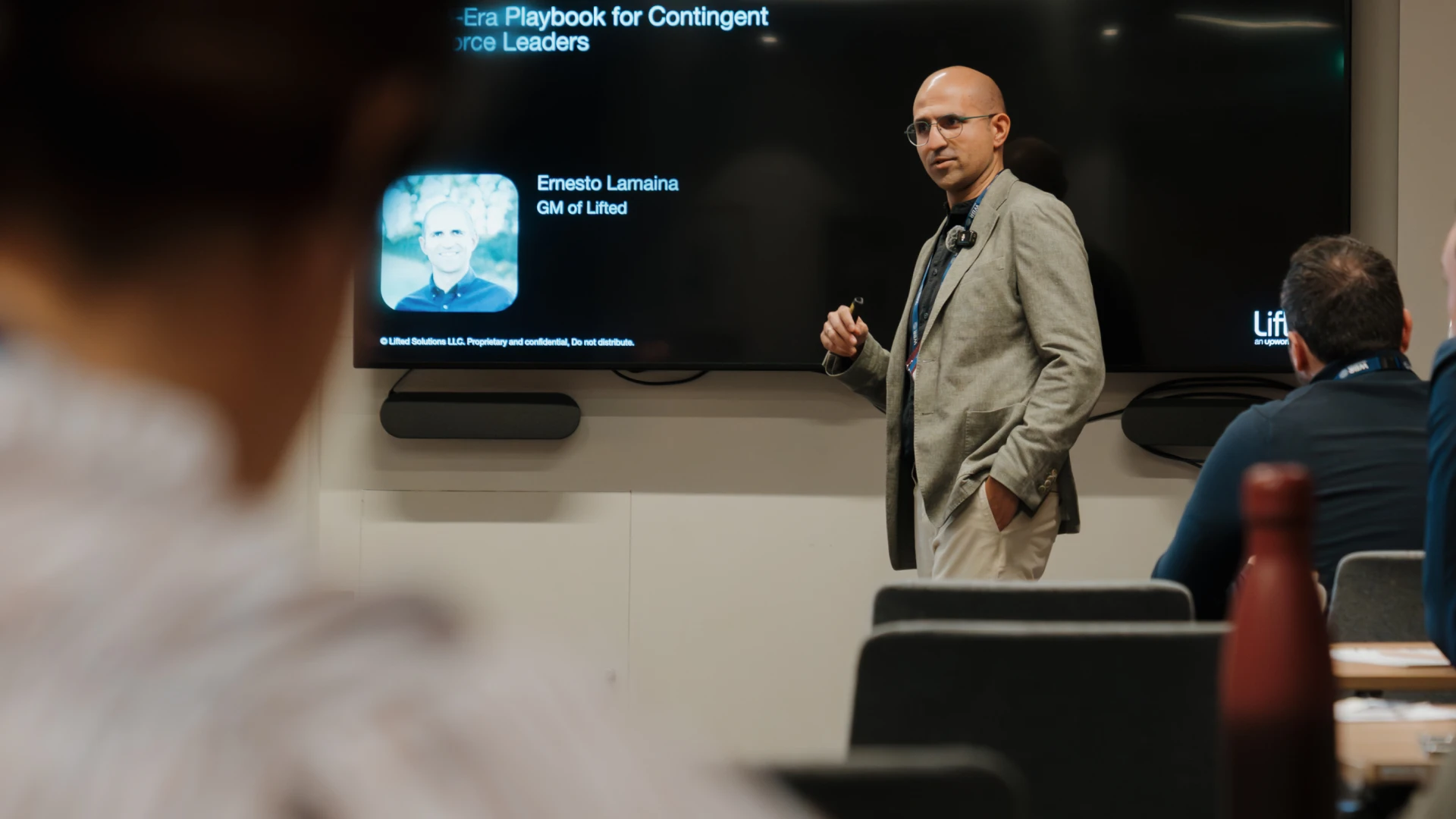
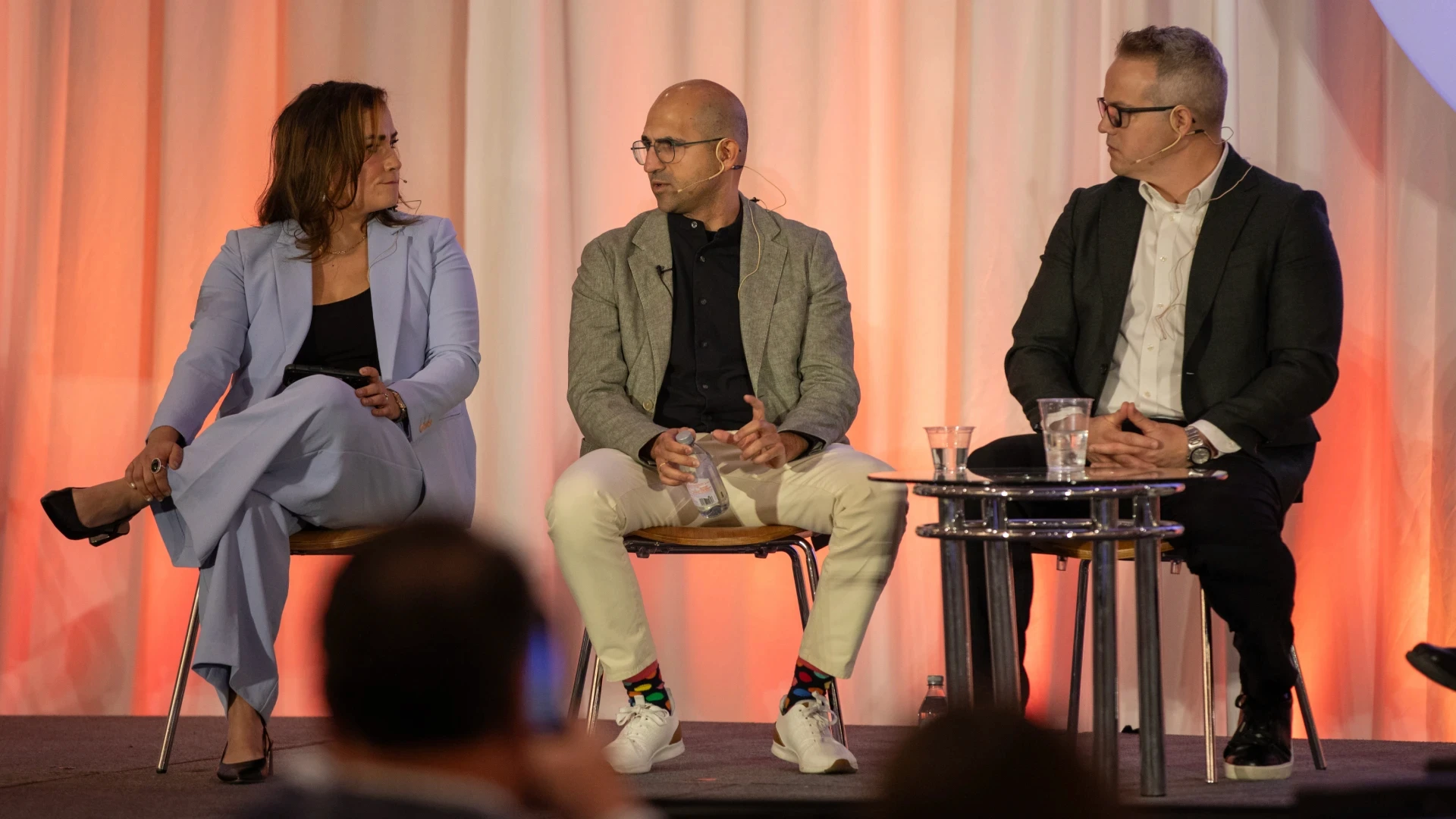
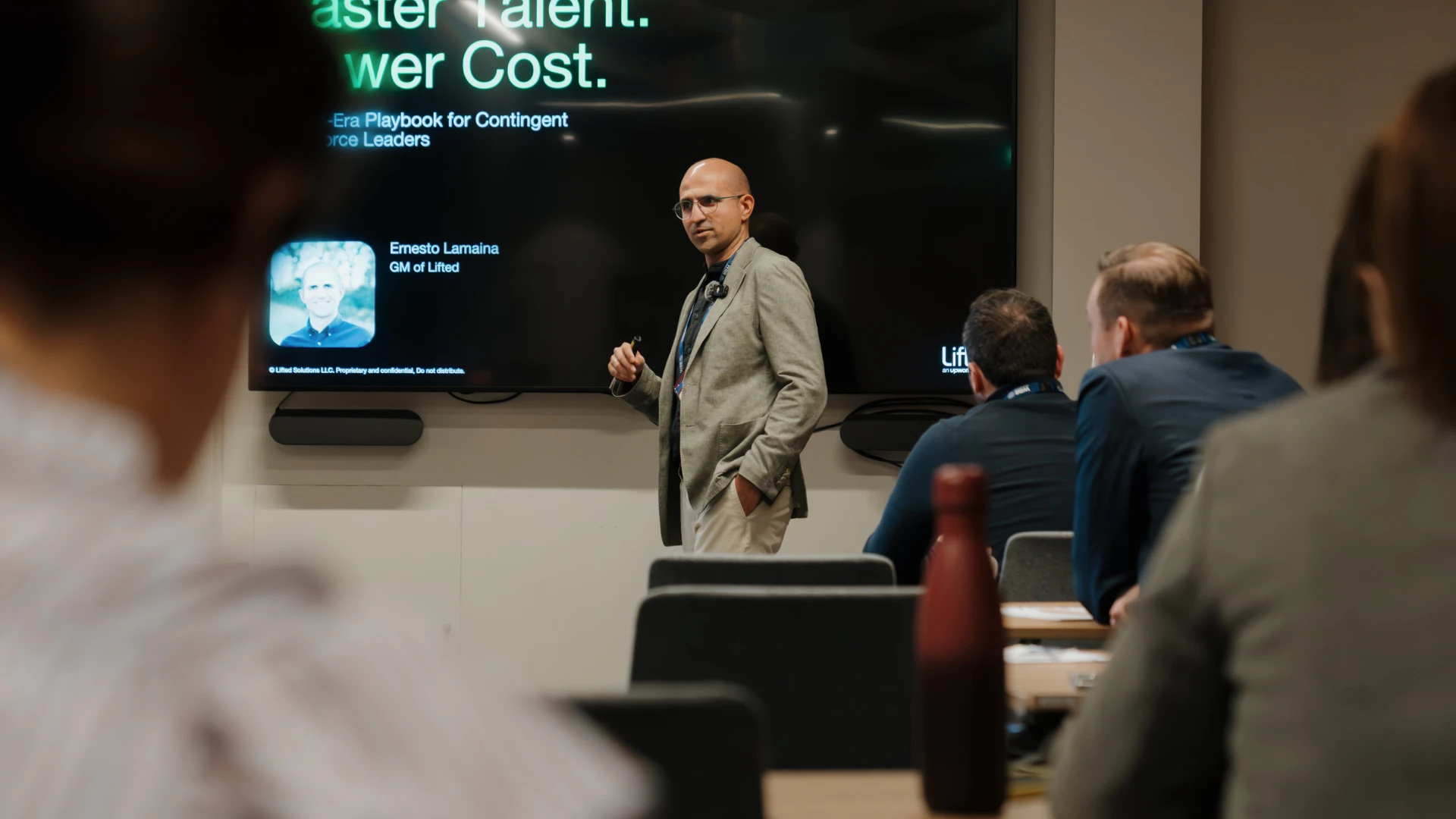
Ernesto Lamaina
GM, Lifted
Ernesto Lamaina is the General Manager of Lifted, an Upwork company dedicated to helping enterprises source, engage, and manage contingent talent across every contract type—independent contractors, staff augmentation, employer of record, and managed services.