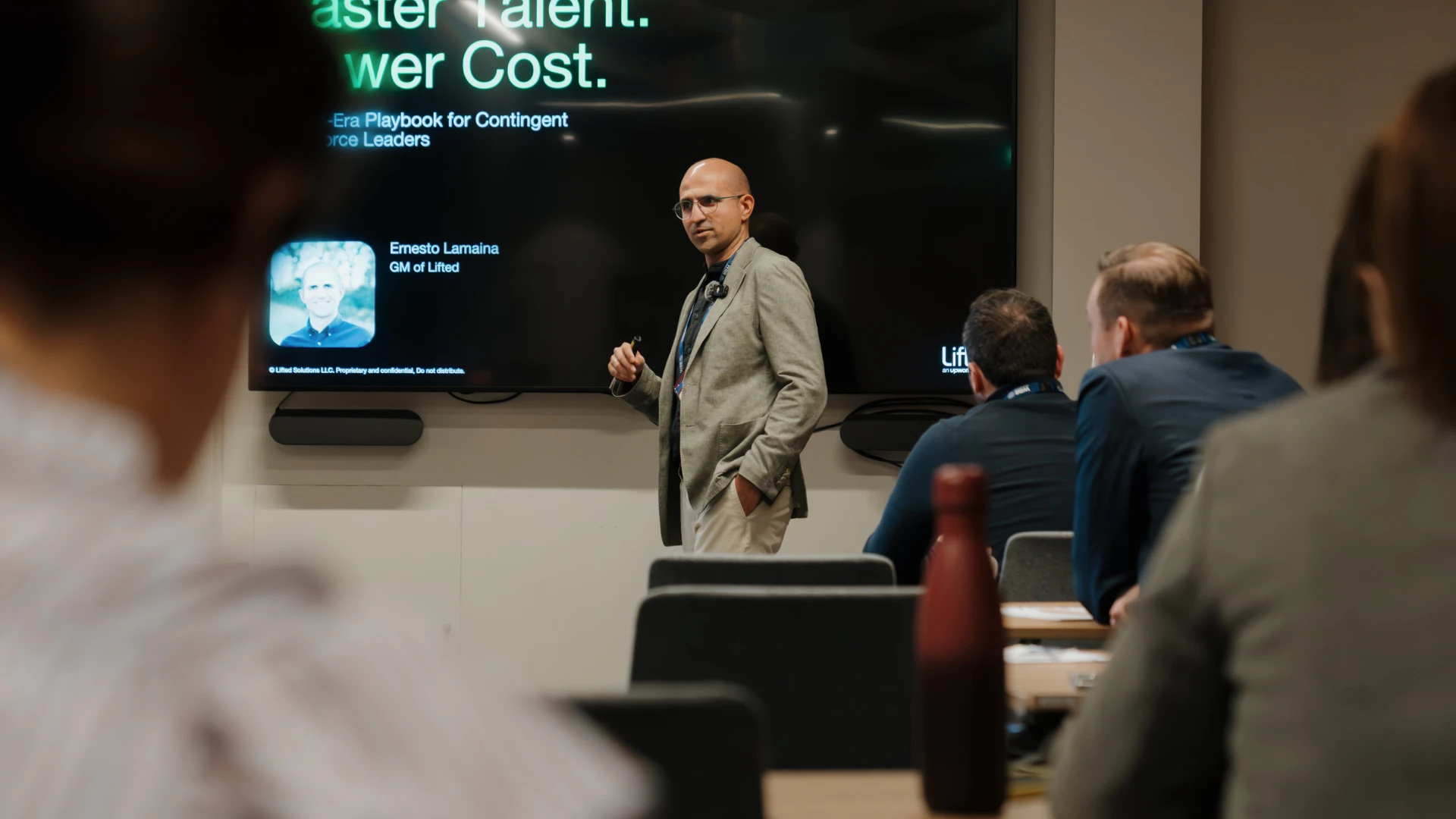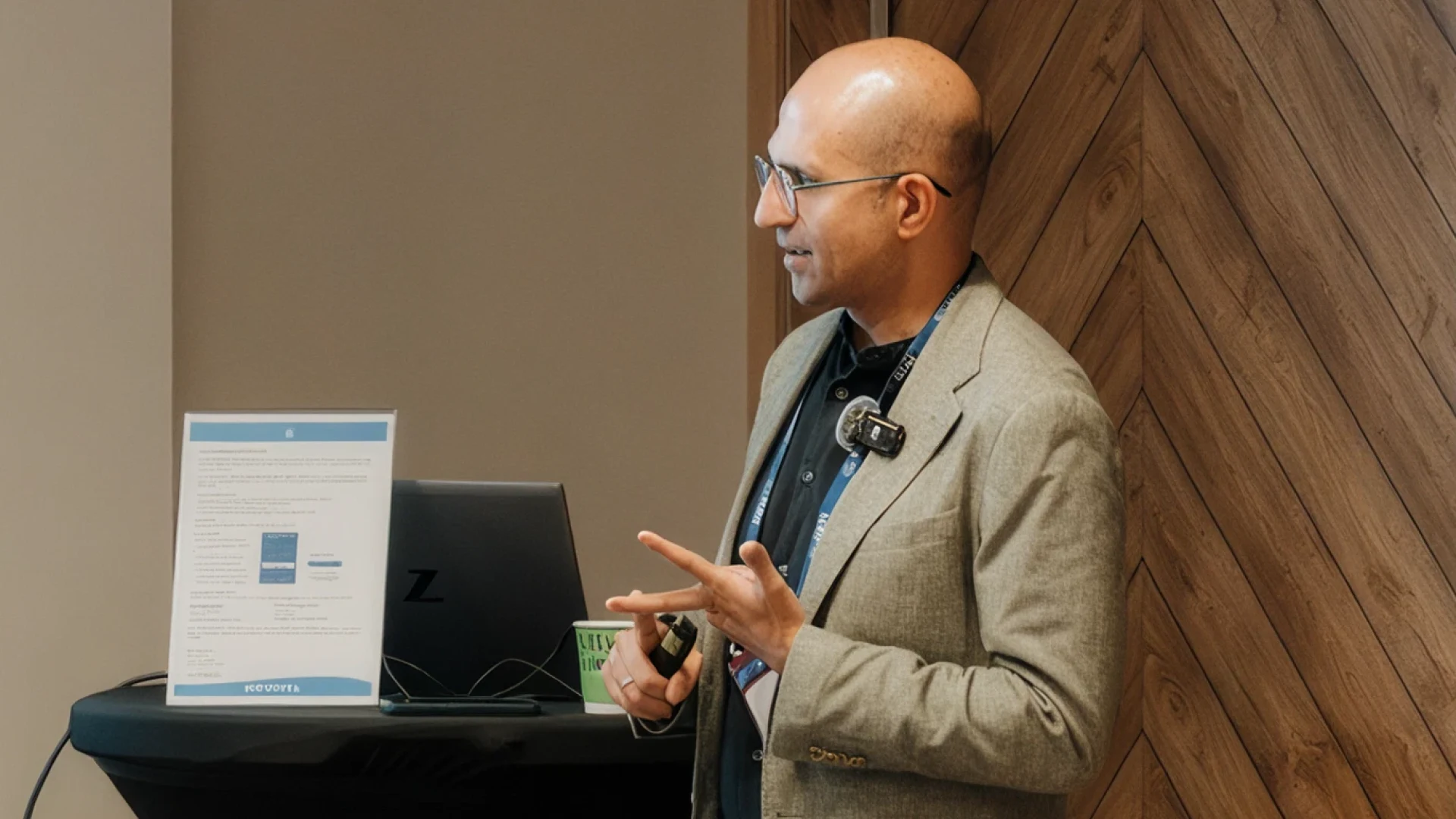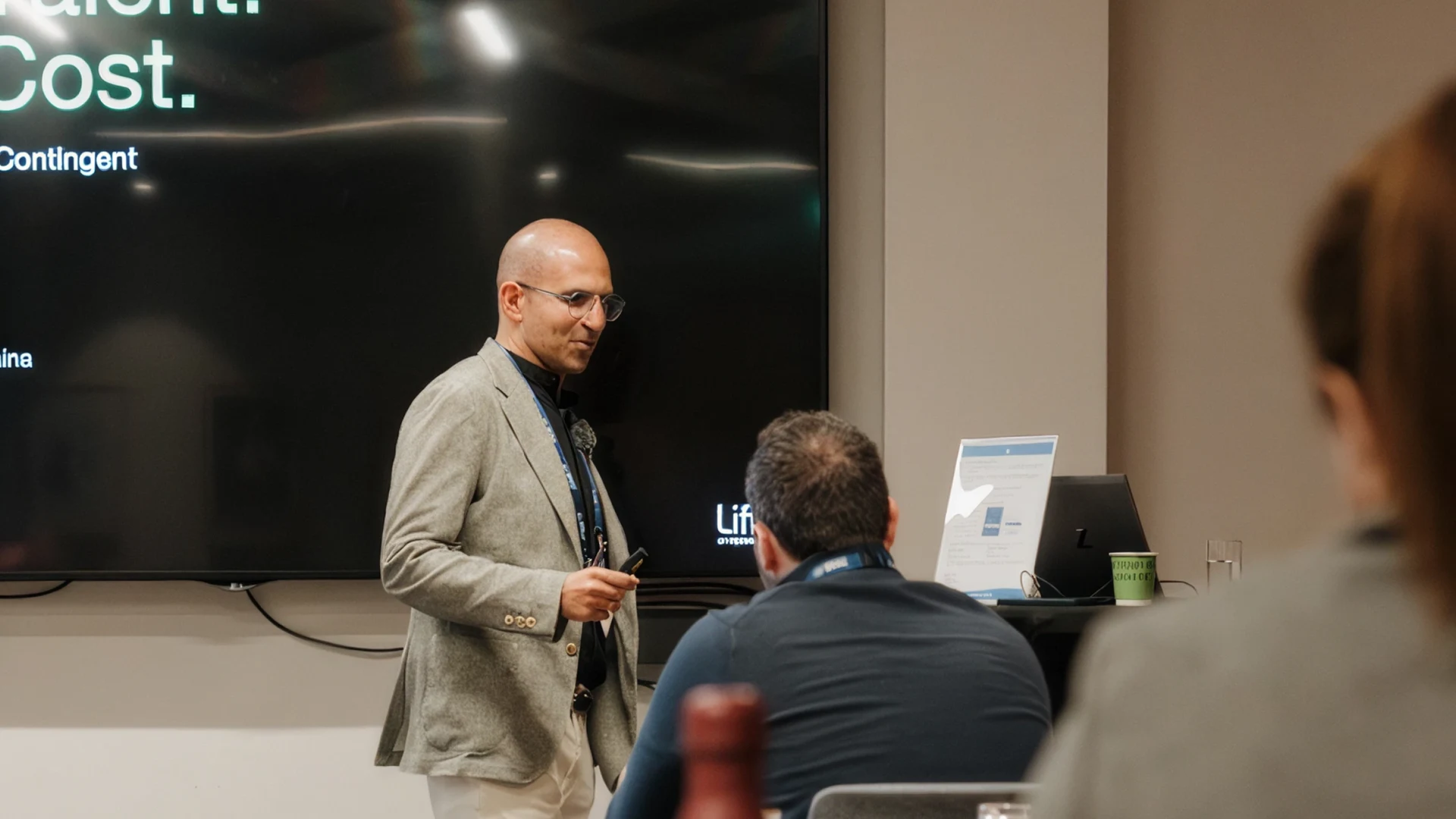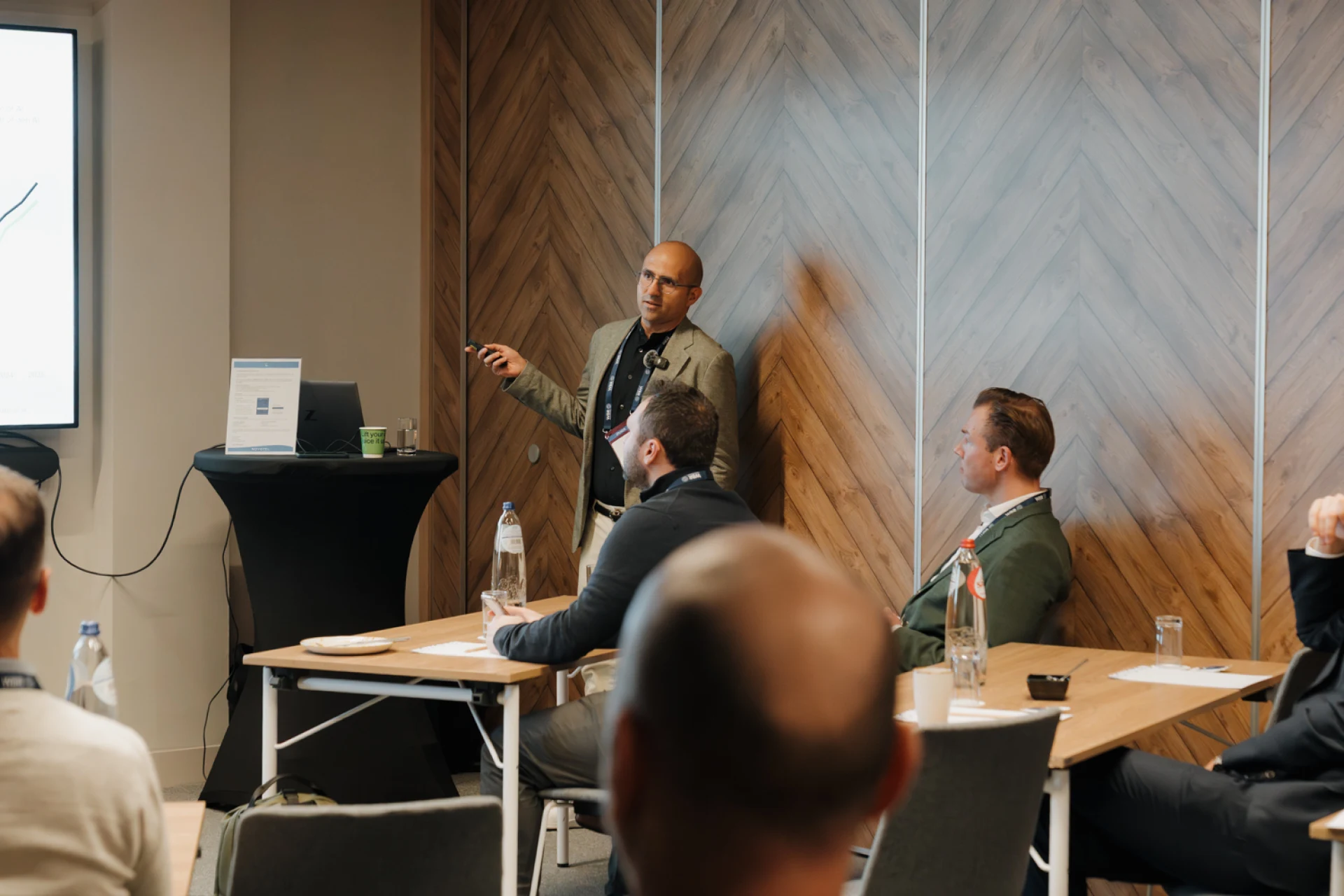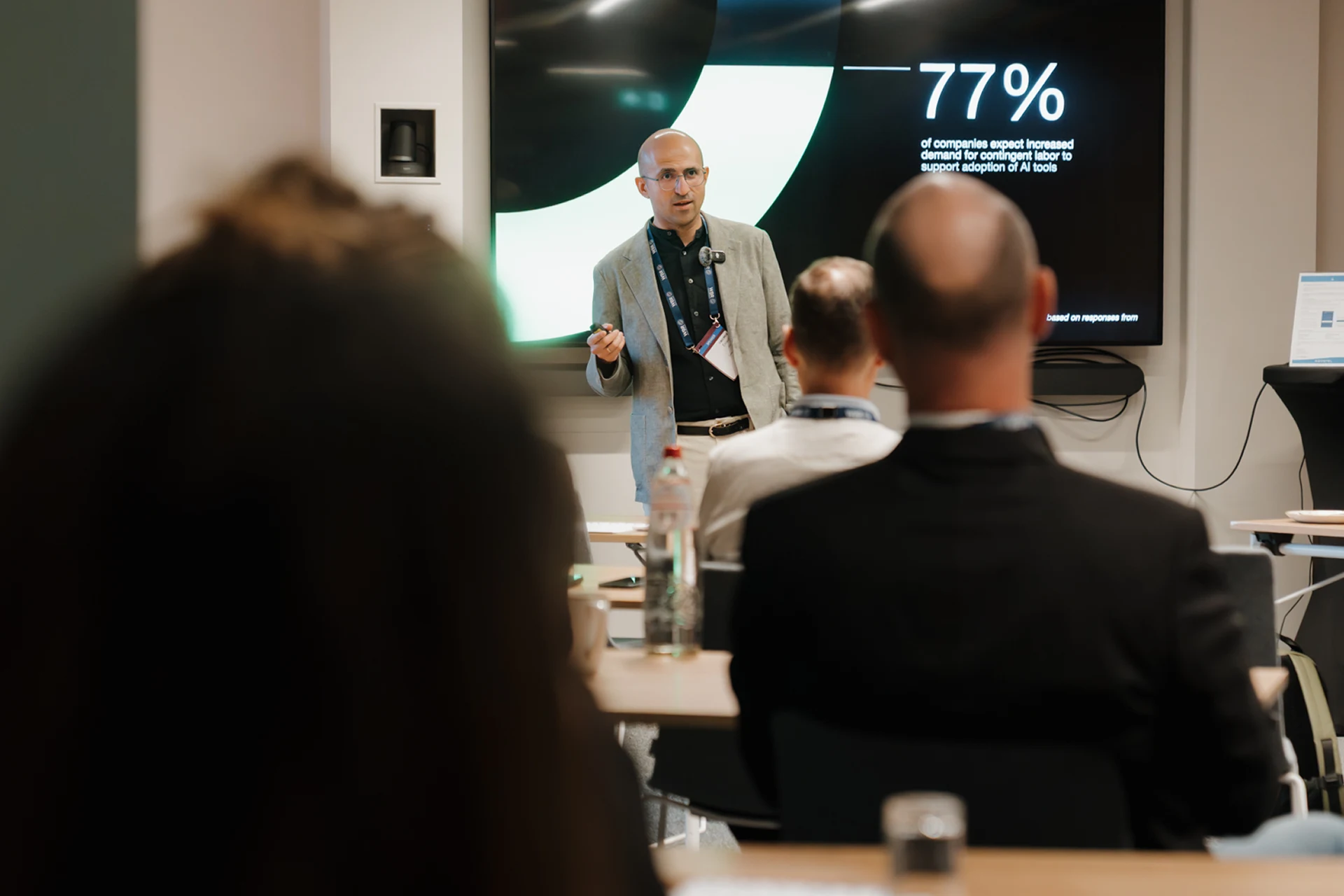
"When a hiring manager goes around your program, it is almost never about willingness. It is a capability gap."
If you run a large contingent workforce program, you have seen this play out. A hiring manager needs an independent contractor, and instead of coming through the program, they go and find one themselves. The easy read is that someone is not following the process, a discipline problem. I think that reading is wrong, and getting it right changes what you actually do about it.
Programs were built for staff aug
Most programs were set up for staff aug. That is what the MSPs are optimized for. That is what the VMS are optimized for. That is what most of the vendors are optimized for. Everybody is optimized for staff aug. And to be honest, within staff aug, most programs work very well.
Why is that? Because years ago, when the need for flexibility first went up, staff aug was one of the first real alternatives to full-time employment. So the whole apparatus, the MSPs, the VMS, the vendors, grew up around it. Then, over time, other engagement models emerged. Engaging someone as an independent contractor became more common. The agent of record came up. An employer of record came up. But most programs were never able to fully adapt and say, okay, I am optimized for staff aug, now how do I do all of these other things just as well? They are still optimized for the model they started with.
Where does the friction come from
So now you create friction. On one side, you have the program, fully optimized for staff aug. On the other side, you have hiring managers with a real and urgent need.
Say you are a VP of marketing. You want to implement a new solution built on large language models tomorrow. The full-time team cannot move fast enough, and you are not going to find that person on a staff aug model as quickly as you could find an independent contractor who already does exactly this work. So you do the rational thing. You go out and find the independent contractor yourself, because the company has to move forward.
And on the other side, the program actually wants to help. It is just not set up for it. So what happens? You start granting exceptions. For this team, let's just run outside the program. For that function, let's make a carve-out. And slowly, that becomes how a whole category of talent gets engaged, outside the program, with no real visibility, no consistent compliance, no single view of who is engaged or what is being spent. Not because anyone decided that was a good idea, but because there was never a real front door built for it.
It is not willingness, it is capability
This is the part I want to land. There is no lack of willingness here, on either side. The hiring manager is not being difficult, and the program is not trying to block anyone. What you are looking at is a capability gap. The program was built for one kind of talent, and the business now needs several.
That matters because you do not close a capability gap with a memo telling people to use the program. They are not avoiding the program out of laziness; they are routing around something it genuinely cannot do for them. You close the gap by giving the program the capability it is missing, so that the easy path and the compliant path finally become the same path. When the front door is faster than the side door, people use the front door. Every time.
So look at where people are working around your contingent workforce program to engage contractors. And be honest about which it is. Are they breaking the rules, or are they routing around a capability your program does not have yet?
If this resonates, subscribe. I write about what enterprise contingent programs are navigating right now, and where the real gaps are.
Author

Ernesto Lamaina
GM, Lifted
Ernesto Lamaina is the General Manager of Lifted, an Upwork company dedicated to helping enterprises source, engage, and manage contingent talent across every contract type—independent contractors, staff augmentation, employer of record, and managed services.