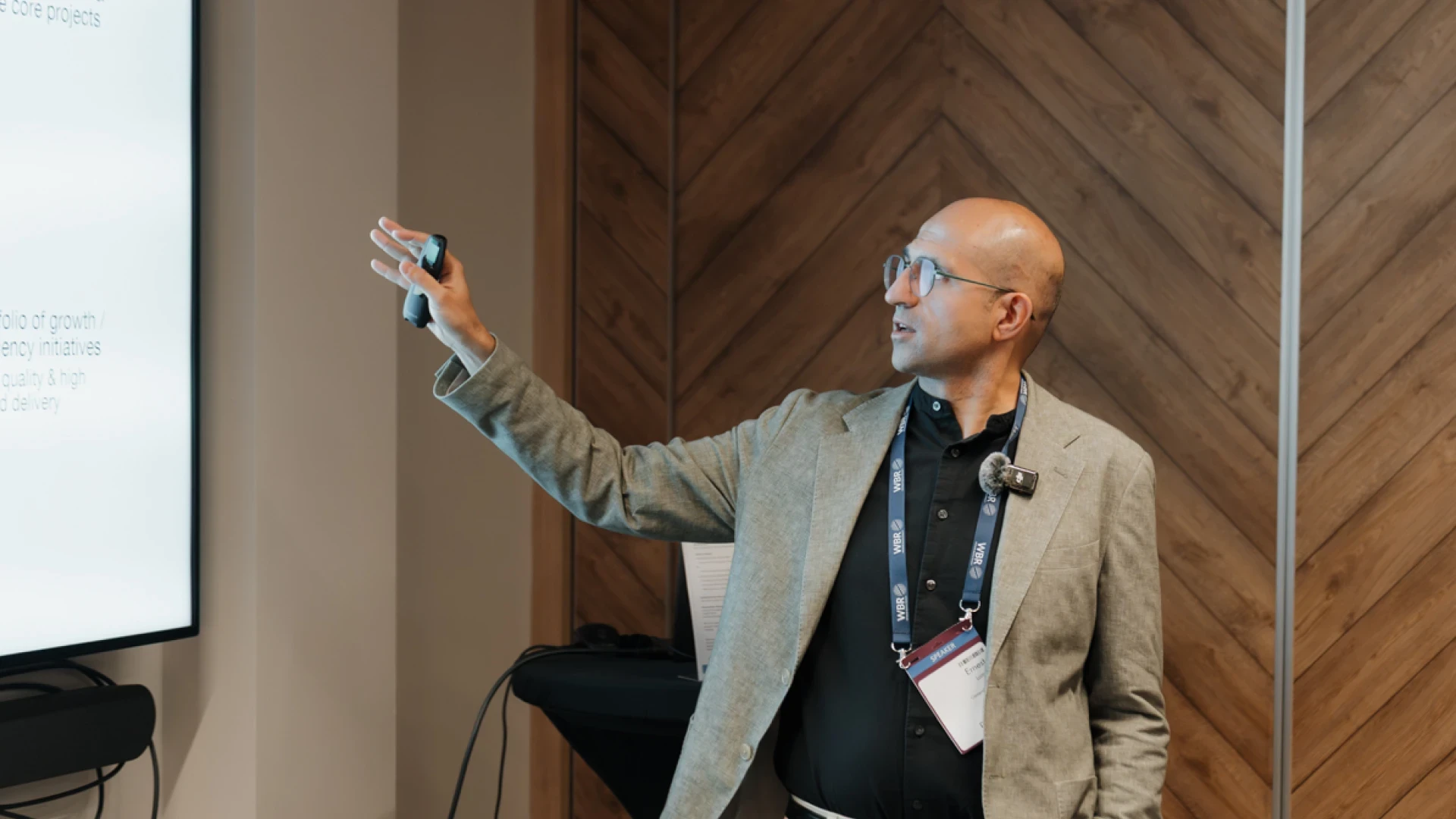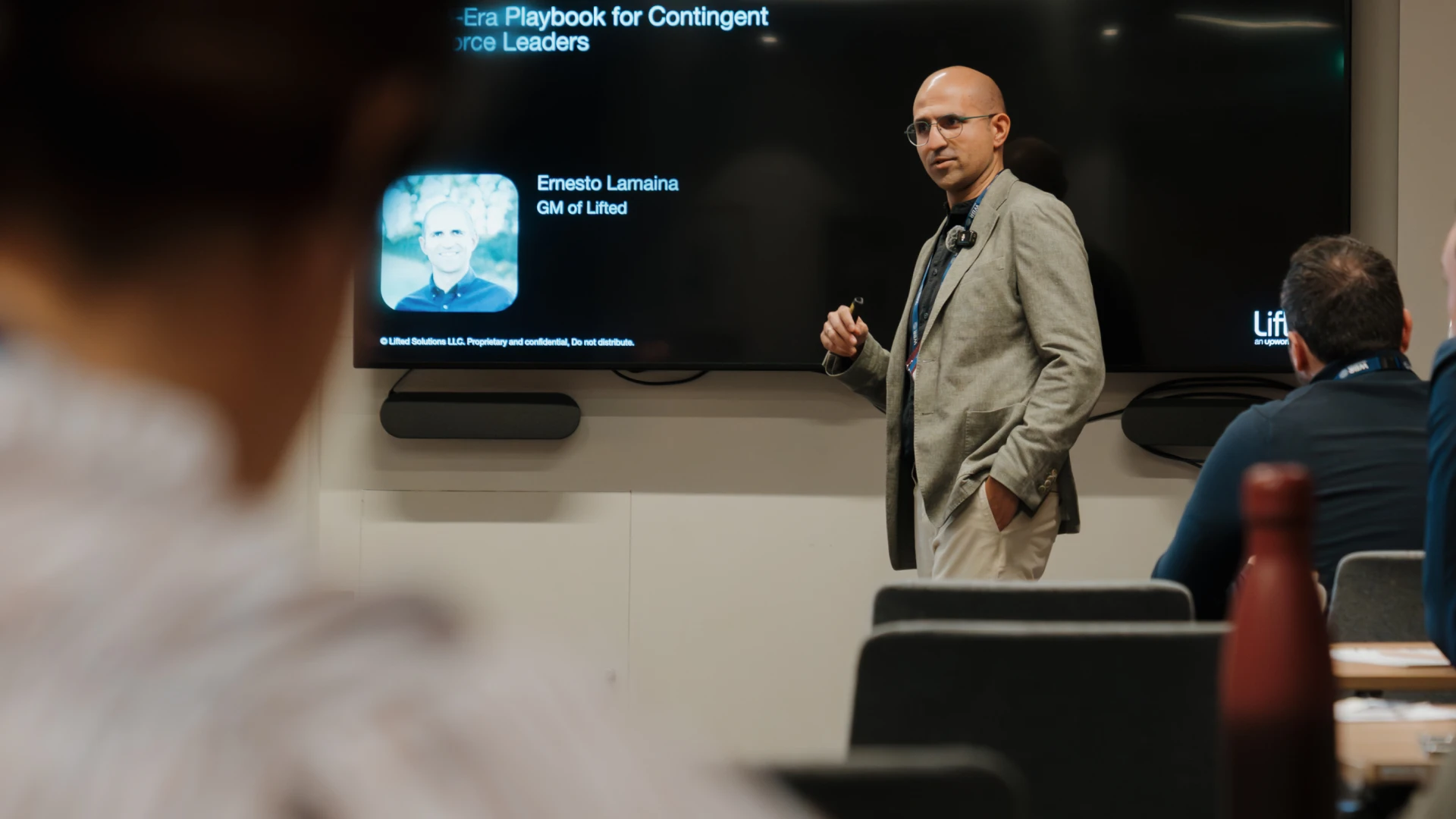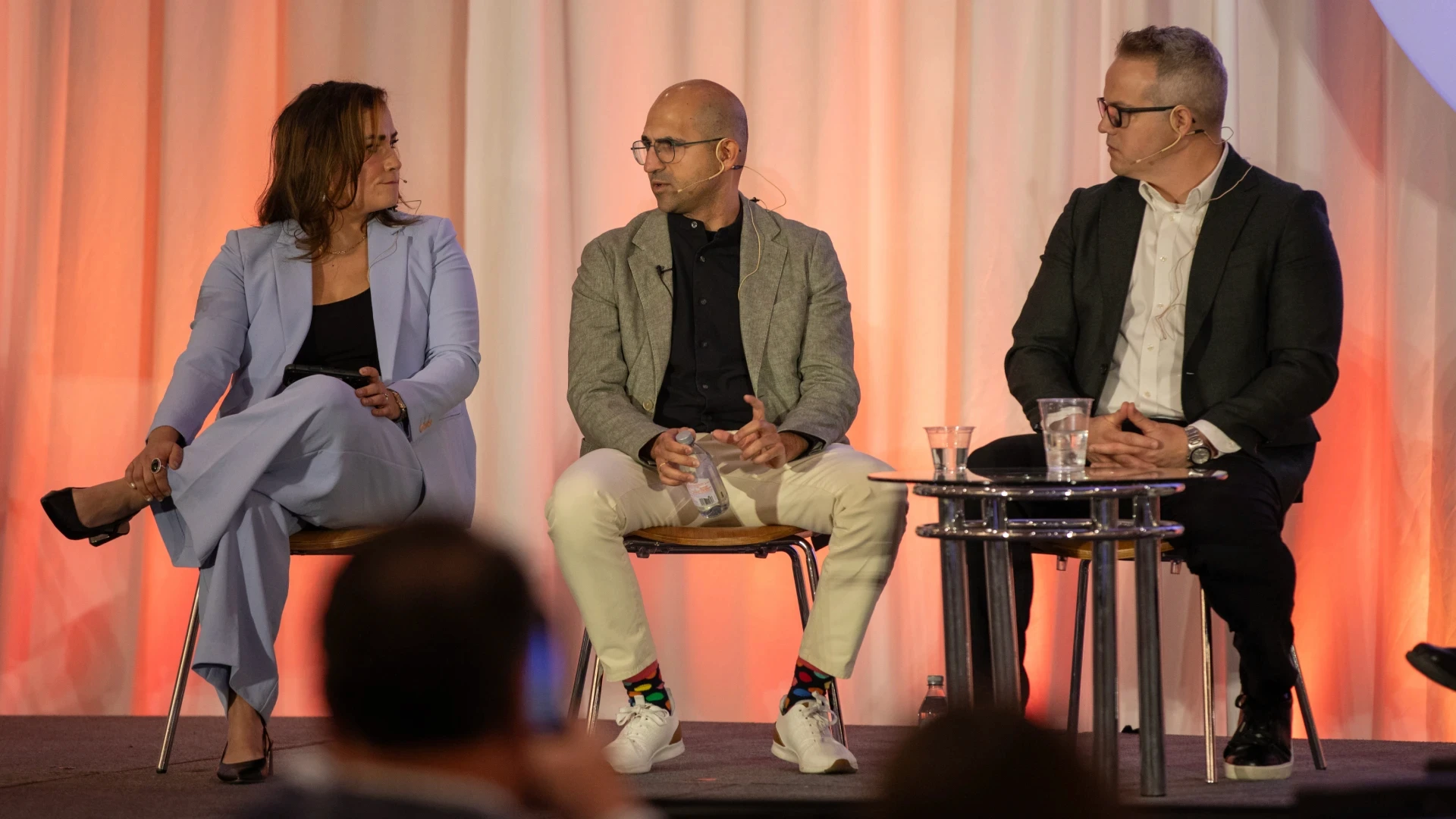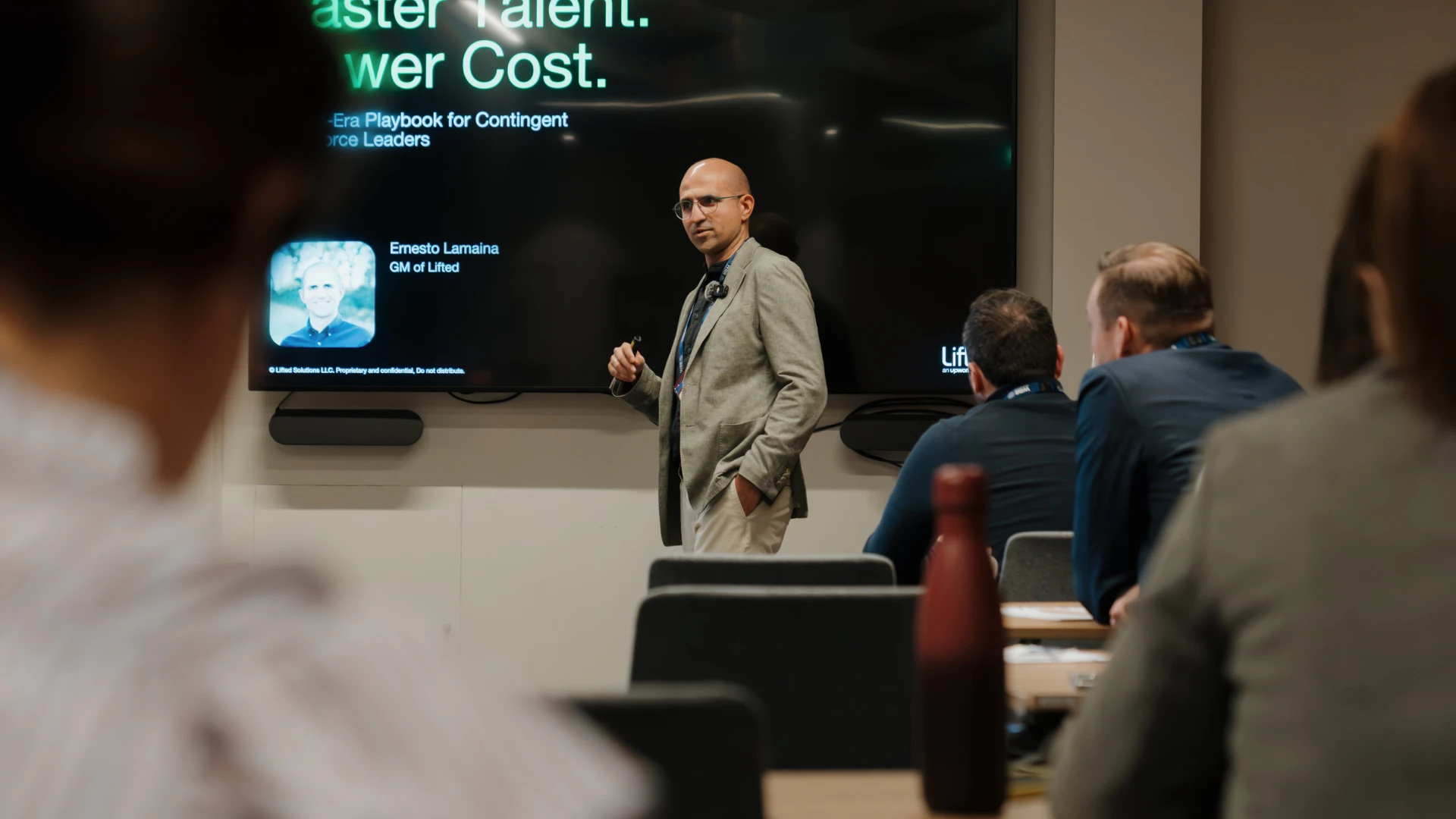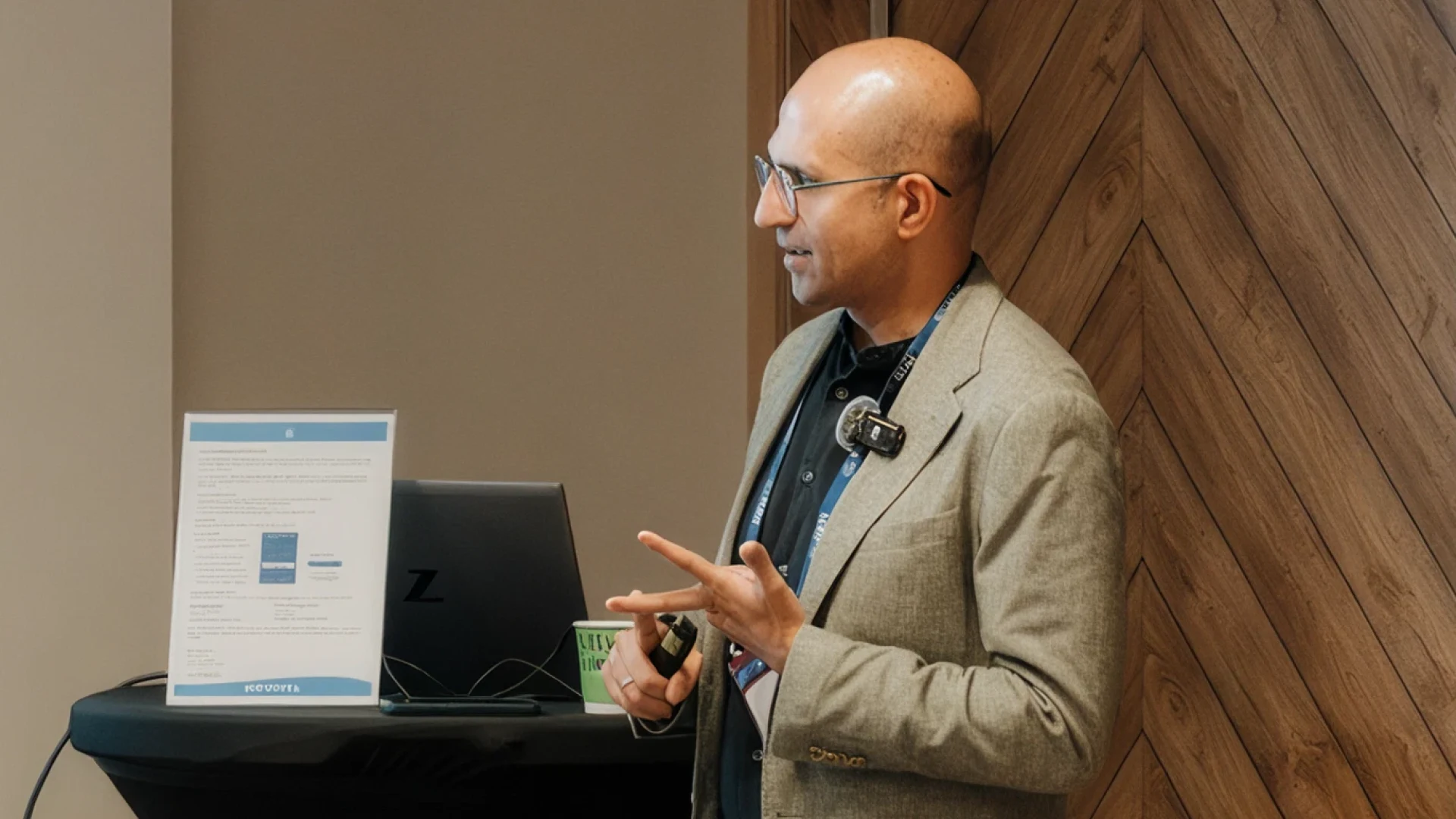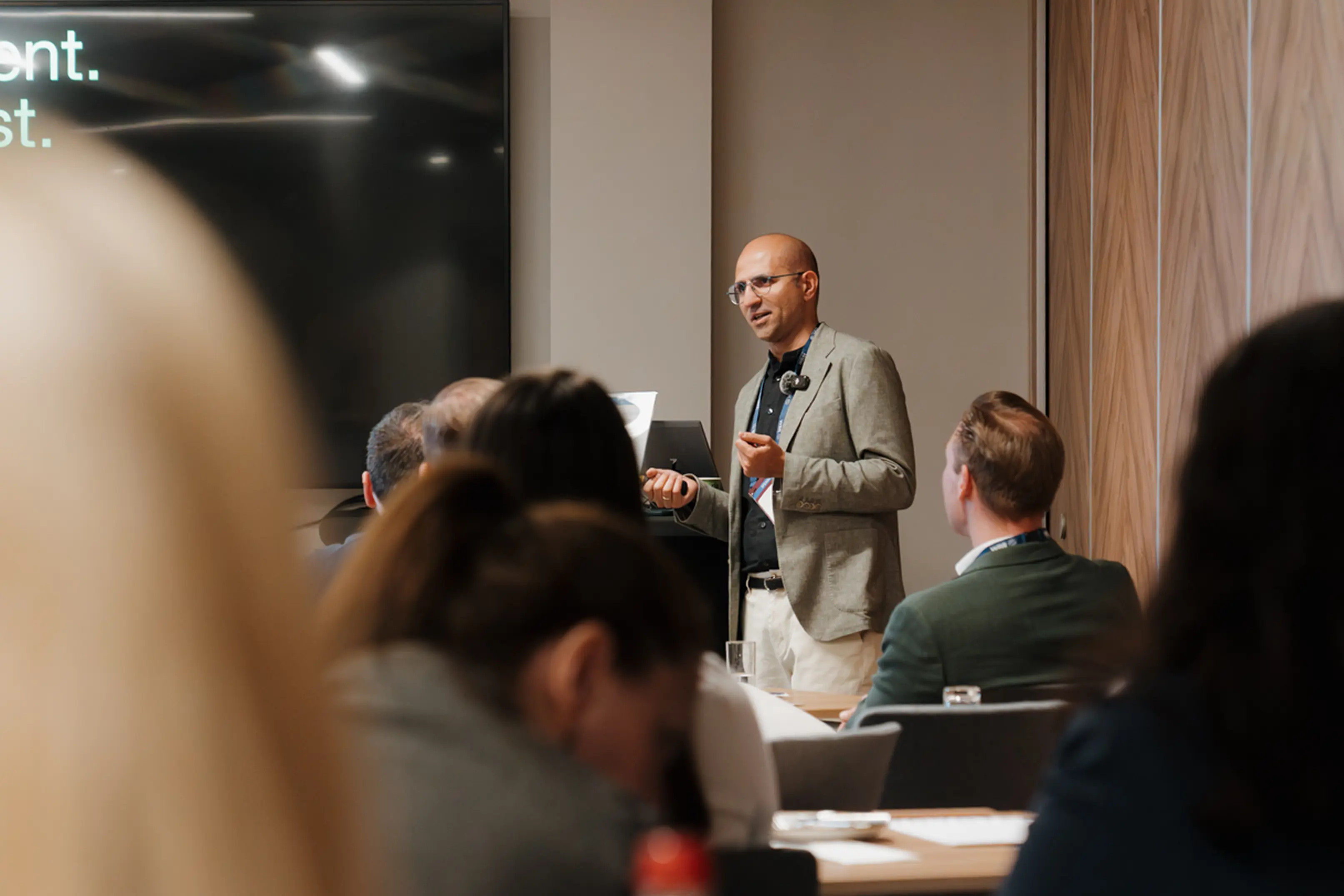
"Nobody grows up thinking: I want to work in the contingent workforce space. Including me."
I ended up here by accident, like most people in this industry do.
My first real exposure to contingent work came during my first startup. We needed people to work with us, but not full time. I didn't have a word for it back then. I didn't know what "contingent" meant or how to engage someone that way. I just knew we needed flexibility, and I figured it out as I went.
That experience quietly planted a seed.
The next chapter was bigger. I led a co-creation effort between two very large companies, and that's where I had my first real deep dive into the contingent workforce, building a platform that enabled companies to engage workers on a temporary basis. That's where the complexity hit me all at once: compliance, regulation, the fact that the rules are different by country, by state, by city. Constantly changing.
But the thing that stuck with me most wasn't the regulations. It was the people.
At the end of every process, there are two humans: a person trying to get a job, and a company trying to get something built. Everything else, the technology, the compliance, the contracts, the VMS, the MSP, it all exists to serve that exchange. When it works well, both sides are better off. When it doesn't, both sides feel it immediately.
That's the lens I've carried through everything since.
Learnings from a decade of enterprise conversations
Over the last 10-plus years, I've had thousands of conversations with contingent workforce program leaders at large enterprise companies. Fortune 500s. Global programs. Hundreds of millions in contingent spend.
And here's what comes up every single time, without fail.
They need access to talent. That's the foundation. Without the right people, no project moves, no deadline is met, no growth target is hit. Everything else is downstream of that.
They need to engage that talent well. Churn is expensive, even in contingent. When contractors have a poor experience, when onboarding is slow or clunky, when the offer takes days to arrive, they take other jobs. The program suffers. The hiring manager loses trust in the process.
They need to do both of those things within tight cost and compliance constraints. And the compliance piece is getting harder every year. Different rules by country, by state, by city. Legislation that changes every six to twelve months. And most of these leaders aren't running a compliance firm, their core business is something else entirely. They're being asked to stay on top of a regulatory landscape that would challenge a specialist, while simultaneously delivering talent fast.
It's a very hard job. I want to say that clearly, because I don't think the industry says it enough.
Why Upwork Enterprise changed how I thought about all of it
When I got close to Upwork Enterprise, something clicked. There was a live talent pool, not a database of stale profiles, but 18 million-plus people with current availability, updated skills, and real intentions. People who were actually looking for work, right now.
The difference sounds simple. It isn't. A database is a graveyard of registrations. A live talent pool is a living, breathing market. And when you combine that with technology built specifically to match and engage that talent at speed, you can do things that just aren't possible with legacy staffing models.
But there was a gap. Upwork Enterprise provided a great way to engage independent contractors and agents of record, but it expected enterprise companies to come to it. To change how they operated. To step outside the VMS and MSP programs they'd spent years building.
Most of them wouldn't do that. And honestly, they were right not to.
The insight that became Lifted
Large enterprise companies aren't broken. Their programs aren't broken. They're fragmented because every layer of that infrastructure solved a real problem at the time it was added. The VMS brought visibility to staff aug. The MSP brought supplier control. The AOR gave companies a way to engage contractors without carrying all the classification risk.
Each piece made sense. The sum of the parts just doesn't always work together seamlessly.
So when we built Lifted, we made one foundational decision: we will meet clients where they are. We will not ask them to change their program. We will not compete with their VMS or their MSP. We will walk in as a supplier, onboard like any other vendor, and make specific parts of their program significantly better.
And because we're genuinely tech-enabled, we can do that faster and at lower cost than legacy suppliers. Our time-to-fill averages under three days. We process 20,000-plus worker classifications per year. Zero formal misclassification claims against an IC we've engaged, in the entire history of the company. We pass our operational savings directly to clients, which is why we consistently come in 10 to 30 percent cheaper than legacy suppliers.
That's what technology actually does when it's built for the problem, not bolted onto a process designed for a different era.
What I see coming
The contingent workforce is growing fast, and the infrastructure is still catching up. The independent contractor and agent-of-record space in particular is where most enterprise programs still have a real blind spot, no visibility, inconsistent processes across regions, compliance handled ad hoc. That's the area I believe will define the next decade of this industry.
The companies that will win, both as enterprises managing contingent programs and as suppliers serving them, are the ones that figure out how to consolidate without disrupting. How to bring fragmented pieces closer together, gradually, without demanding a transformation project as the price of entry.
That's what we are building. And I've been thinking about it for over ten years.
This newsletter is where I'll share all of it. The patterns we keep seeing across enterprise programs. The things I think the industry gets wrong. Where I think it's going. I'm not here to sell, I'm here to share what I've learned, so that contingent workforce leaders, procurement managers, and anyone navigating this space has a sharper perspective to work with.
What brought you into the contingent workforce space, and what's the one thing you wish you'd understood earlier?
If this is the kind of thinking you want more of, subscribe. I'll be writing about contingent workforce strategy, what enterprise programs are actually dealing with, and what’s next.
Author

Ernesto Lamaina
GM, Lifted
Ernesto Lamaina is the General Manager of Lifted, an Upwork company dedicated to helping enterprises source, engage, and manage contingent talent across every contract type—independent contractors, staff augmentation, employer of record, and managed services.